Anyone who has packed a household knows that moving is not one thing, it is a cluster of decisions, trade‑offs, and small bets you make over several weeks. The approach you take for a move across town rarely fits a haul across state lines. The differences show up in your timeline, your budget, how you pack, what paperwork you need, even how you sleep the night before. I have loaded trucks in July heat, in tight downtown alleys, and on sleepy cul‑de‑sacs, and the same lesson repeats: know what kind of move you are running, then gear your plan to that.
The line between local and long distance, and why it matters
Most residential moving companies draw a line by mileage and sometimes by state boundaries. In many markets, any job under about 50 to 100 miles is billed as local residential moving. Over that threshold, or if you cross state lines, it falls into long distance moving. Mesa families planning a move to Scottsdale likely qualify as local residential moving Mesa, but a relocation from Mesa to San Diego clearly lands in long distance territory.

The label matters because it drives how your mover prices the work, which regulations apply, and how your goods travel. Local crews usually charge by the hour, which rewards efficiency in access and prep. Long distance moving companies rely on weight and mileage, or on a flat binding estimate, and they plan with different constraints like route timing, scales, and federal transport rules. Even if you are a diehard do‑it‑yourselfer, the logistics of a 1,200 mile run force different choices about packing, spares, and contingencies.
Key differences at a glance
- Pricing is time based for local moves, weight and distance based for long distance. Scheduling is flexible for local, windowed and route dependent for long distance. Risk profile is low for local, heightened for long distance due to long transit and transfers. Packing tolerance is forgiving for local, must be tight and box‑rigid for long distance. Regulations are minimal for local, governed by state and federal rules for long distance.
Timeline planning: hours vs. Weeks
Local residential moving can often be set up within a week or two, sometimes faster if the calendar is open. A three bedroom home might take 6 to 10 labor hours to load and unload depending on stairs, distance to the truck, and how well your boxes stack. If you are moving services within Mesa and you can reserve elevator time or load zones, you can shave an hour or more by staging items close to the exit.
Long distance moving adds lead time. A reputable carrier will want a virtual or in‑home survey to estimate weight, note special handling, and plan for access on both ends. That survey, the quote, and your decision often takes a week. Pickup could be two to three weeks out in peak season. Transit times stretch too, especially if your shipment shares space with others in a moving van. A typical 1,000 mile run is three to seven days door to door, depending on volume, route, and weather. If you need storage in transit, budget another week on either side.
Pricing models you should actually understand
On a local job, the clock rules. Crews charge by the hour with a minimum, often adding travel time to and from the dispatch yard. You pay for crew size and truck count. A two person, one truck crew for six hours is a different equation from a three person crew that finishes in four. If you are well prepared, fewer surprises appear on your invoice.
For long distance moving, estimates rest on weight, distance, and add‑ons like packing services or crating. Two approaches dominate. A non‑binding estimate is an educated guess on weight; if your goods weigh more, you pay more. A binding estimate promises a fixed price based on an agreed inventory. If your inventory grows, the price can be revised or billed at a rate per additional item. Either way, weigh tickets matter. Honest carriers are transparent about weight at pickup and destination. If a number seems off by hundreds of pounds, ask to see the scale slips and understand the tare and gross.
I once watched a family add a last minute motorcycle and four patio planters after signing a binding estimate. Their final bill crept up, not because anyone played games, but because the plan no longer matched the promise. The fix was straightforward: document the additions and price them at the agreed per item rate.
Packing standards that survive potholes and time
For local residential moving, your packing can be decent rather than perfect and you will probably get away with it. A slightly underfilled box might dent but still make it two miles down the road without drama. For long distance, box quality, paper cushioning, and tape discipline matter. Every gap inside a box is a place where contents settle. Every settling point is a risk when a trailer shudders for hours on uneven pavement.
Use real moving boxes with consistent sizes, not a dozen odd shapes from grocery runs. A row of same‑size boxes stacks like bricks, reduces voids, and straps down tightly. Plates should stand on edge, not lie flat. Books belong in small boxes to keep weight under 40 pounds. Wardrobe boxes with bars save your suits from creases on a 900 mile ride. Lampshades, mirrors, and glass tabletops deserve dedicated cartons or custom crating. If you are tempted to wing it with garbage bags, remember that bags roll, shift, and tear, and they cannot be stacked cleanly in a long haul rig.
What HomeLove Movers - AZ recommends for packing
On long routes, tape technique sounds trivial until it is not. Two strips on the bottom seam and a perpendicular seam keeper is a small investment that stops blowouts during a heavy transfer. Pack heavy stuff low, light stuff high, and top every box with a clean paper cap layer to prevent friction marks. If you opt for professional packing services, ask how the crew will label, protect upholstery, and handle electronics. The better teams will use stretch wrap over blankets for upholstered pieces, remove legs from tables, and bag hardware in taped pouches on the corresponding furniture. HomeLove Movers - AZ trains crews to pack by room and by load zone, which speeds unloading and reduces the shuffle that can add hours to a local job or delay a cross‑country delivery.
Access, parking, and the terrain between your door and the truck
A 30 foot moving truck fits cleanly in a wide Mesa driveway, but not under a downtown garage with an eight foot clearance. Local moves can get creative with multiple smaller trips, short shuttle runs, or even hand carries across a courtyard. The penalty is time. For long distance, access issues can trigger a shuttle at destination, which is a smaller truck that ferries goods from the big rig to your door when streets are tight. Shuttles add cost and time, and often require advance note to the dispatcher.
Think about distance to curb, elevator reservations, HOA gate codes, and loading zone permits. In Arizona summers, crews work differently at 110 degrees. Hydration breaks are not optional, and direct sun on a truck ramp can become unsafe. Smart scheduling puts heavy lifts early morning and reserves elevators for an unbroken block. In one Mesa condo building, we shaved two hours by staging a soft ramp over a steep garage lip that had scraped dollies on every prior job.
Insurance and valuation: what those terms really protect
Most movers include a baseline valuation, often around 60 cents per pound per item. That is not true insurance and it will not replace a flat‑screen if it breaks. For long distance moving, consider full value protection. It costs more but covers repair, replacement, or cash settlement based on declared value. Read the exclusions. Items packed by owner might be excluded if damage is due to poor packing. High value items like fine art require disclosure and sometimes custom crating.
If you want to self‑pack to save, box properly, photograph the condition of fragile items, and note model numbers. Claims are rare with careful prep, but they do happen. After a hailstorm on I‑40, I saw a load arrive with a waterlogged corner. The carrier made it right, but the customer’s detailed inventory and photos sped the process.

Storage strategies: short gaps vs. Long holds
Local residential moving often pairs with short term storage services when closing dates misalign by a day or two. A single truck can hold your goods overnight in a secure yard, then deliver the next morning. The inventory stays sealed and handling is minimized, which reduces risk. For longer gaps, a climate controlled storage vault keeps furniture stable and safe from dust and humidity.
Long distance moving companies offer storage in transit, where your shipment sits in a regional warehouse before final delivery. This is useful if you are house hunting at destination or waiting on keys. Ask how vaults are sealed, whether blankets stay on, and how the chain of custody is documented. When storage extends past 30 days, confirm whether your pricing or valuation coverage changes. Pianos, solid wood pieces, and leather do best in stable climates. If you are moving from dry Mesa air to a coastal climate, allow for wood to acclimate before tightening bolts on antique pieces.
The human factor: crew size, stamina, and rhythm
Local crews tend to move faster out of the gate, then measure their pace to match the day’s scope. They know the shortcuts in neighborhoods, the good spots for lunch, and how to time a run to avoid school pickup traffic. Their loading pattern might favor speed, with more blankets and straps used at destination as pieces come off.
On long distance moves, the load is a Tetris game with physics behind it. Heaviest items anchor front and low, mattresses become walls that protect dressers, boxes fill voids to lock furniture in place. The driver is often the constant across states, with local helpers on each end for load and unload. Communication is different too. You want updates on ETAs, weather changes, and scales. A driver who knows how to text brief, accurate updates reduces worry more than any tracking link.
When local residential moving Mesa feels bigger than it looks
Urban local moves can be complex. A two mile move between apartments with two elevators, a 300 foot push from the lobby to the truck, and three parking meters to bag can run longer than a 20 mile suburban move with a driveway. In Mesa, summer heat adds a variable. I schedule water coolers near the ramp and rotate crews through shaded tasks every hour. Short breaks prevent long delays later. If your building has quiet hours, coordinate moves to avoid fines. These constraints are not just paperwork, they are time and momentum.
How to evaluate residential moving companies for your scenario
Ratings and reviews tell part of the story. You also want to ask how crews are trained, what the claims rate looks like over the last year, and how peak season is staffed. For local residential moving, look for a company with consistent crews rather than day labor. Familiar teams load faster and cause less wall rash. For long distance, clear paperwork and packing services Homelove Movers - AZ DOT authority matter. Verify that the carrier number, insurance, and arbitration program are current.
A short conversation can reveal a lot. Describe your inventory and access. See if the estimator asks follow‑ups about stairs, elevators, parking clearances, and date flexibility. If they gloss over those, you might be a number in a log. If they ask you to text photos of tight corners or a steep driveway, they want to get it right.
Where packing services earn their keep
If your schedule is tight, professional packing services can claw back time and reduce breakage. A trained packer touches 200 to 300 items in a day and labels as they go. For local jobs, a partial pack the day before often targets the kitchen and fragile decor, leaving you to handle clothes and linens. For long distance, a full pack paired with disassembly pays off in fewer claims and a faster unload. The crew that took your table apart will put it back together correctly.
I have packed homes where clients wanted to self‑pack to save, then called for help after two rooms ate an entire weekend. Doing it well is repetitive and methodical. Wrap, fill, cushion, label, repeat. If you do it yourself, set a timer and aim for ten to twelve boxes per hour. If you are far under, consider help before the calendar runs out.
How HomeLove Movers - AZ plans a move, local and long distance
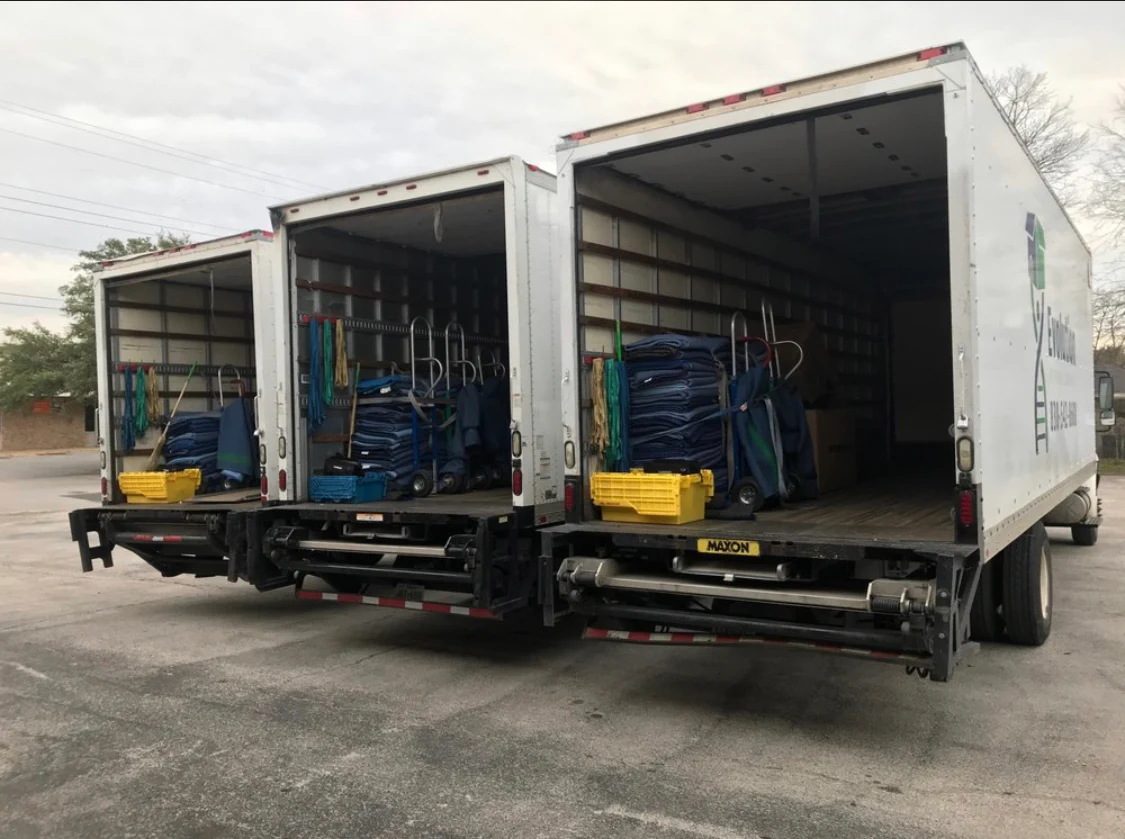
Over years of running moving services, I have learned to treat every move as a sequence of friction points. Where could time leak? Where could damage sneak in? HomeLove Movers - AZ builds a move plan around those questions. For a local three bedroom in Mesa, we dispatch a three person crew, two dollies per person, and a 26 foot truck that can make it under neighborhood trees. The team pre‑wraps upholstered furniture at the door to avoid blanket dragging through the house. Boxes are staged by room near the exit to compress walking distance. If the driveway is steep, we bring wheel chocks and a ramp stabilizer. We map out a lunch window that matches the hottest part of the day so lifting strength is preserved for the finish.
For a long distance two state run, the plan is different. We inventory by photo and checklist, flag high value items, and pre‑crate glass. The driver confirms route constraints like low overpasses and preferred fuel stops. Weight is estimated conservatively to prevent surprise overages. We build buffer into the schedule for weather and weigh stations. If delivery requires a shuttle, we set that expectation at booking, not the morning of.
A short pre‑move checklist that actually saves time
- Photograph the inside of cabinets and electronics setups before packing. Measure doorways and largest furniture to identify any disassembly early. Reserve elevators, loading zones, and confirm HOA or building rules in writing. Stage non‑essentials in a garage or front room to shorten carry distance. Set aside a first night box with linens, toiletries, basic tools, and chargers.
Special items: pianos, safes, aquariums, and grills
Some things cannot be treated like boxes and chairs. Upright pianos need a proper skid, blankets, and straps, and they prefer straight shots and wide turns. Baby grands need disassembly with the correct leg sequence to avoid torque on the body. Gun safes require weight rated dollies and knowledge of stair technique. Aquariums must be emptied fully, fish rehomed in temporary tanks with filters, and glass protected from torsion. Gas grills should have propane tanks removed and transported separately. These details carry more weight on long distance moving where vibration and time compound minor oversights.
If a mover says yes to everything without asking model numbers, sizes, or photos, be cautious. The right answer is often yes, with conditions. You want the plan, not bravado.
Weather, seasonality, and the calendar you do not control
Summer is peak. Crews book up, rates creep higher, and heat strains both people and materials. Tape adhesive softens in extreme heat, which is another reason to double tape bottoms of heavy boxes. Winter adds different complications. In snow belts, a long distance truck may pause for chain controls or road closures. For Mesa residents heading north, build tolerance into your move window. That can be a two day cushion at destination or flexible occupancy dates. Communicate with your employer or landlord about a realistic arrival rather than an optimistic one.
Communication and updates: what good looks like
You should know who your point of contact is at all times. On local jobs, that is often the crew leader on site and a dispatcher back at the office. On long distance jobs, it is your coordinator and the driver. Good updates are clear and time stamped. If an ETA slips, you want to know before you have three neighbors over to help unload. A quick text that says, behind schedule due to traffic on I‑17, new ETA 3:30 to 4:00, keeps stress down. If the truck develops a mechanical issue, honest disclosure preserves trust, and you can make immediate plans around pets, kids, and meals.
HomeLove Movers - AZ emphasizes this cadence. After pickup, drivers send a morning location update and an afternoon ETA projection. If weather threatens, coordinators call with options. You should expect this level of communication from any team you hire. It is not a bonus, it is part of professional service.
What changes if you are downsizing or rightsizing
Moves are not just about miles, they are about volume. If you are moving from a 2,400 square foot home into a 1,400 square foot condo, you face a curation project. Local moves let you postpone some of those decisions because you can shuttle overflow to a nearby storage unit and sort later. Long distance punishes indecision with added weight and potentially another vault at destination. A realistic floor plan drawn to scale can prevent hauling a sectional that will never fit. I have taped out room dimensions in garages and watched clients choose smarter, lighter combinations that saved them 600 pounds of freight.
Children, pets, and the days that feel longer than they are
Logistics overshadow the human side if you let them. On local moves, a neighbor’s house or a day visit with relatives can transform a chaotic day into a manageable one for kids and pets. On long distance runs, build a travel day that is not pickup or delivery day. Tired kids and a sea of boxes mix poorly. A first night kit with snacks, paper plates, a small pot, and comfort items can turn an empty home into a place to rest quickly. If you have a cat, pack a folding door barricade or pop‑up playpen for delivery day. I have chased a curious tabby into a crawlspace under a porch, and I do not recommend that interlude.
Red flags and green lights when choosing help
There are tells on both ends of professionalism. A representative who refuses a survey or pushes a price without seeing your goods is a red flag. A quote that is significantly lower than market without a clear reason often hides a surprise later. Green lights include specific equipment notes in your estimate, like the mention of a piano skid or a shuttle plan, and acknowledgment of tricky items. If you are comparing long distance moving companies, check whether your move will be hauled directly by the company you book with or brokered to a carrier you have never met. Brokers are not inherently bad, but they add a layer. Know who holds the truck keys.
Two move stories, two lessons
A Mesa family planned a local Saturday move from a single story home to a townhome five miles away. They packed well but forgot to reserve the shared driveway morning slot at the destination. The crew arrived to find three neighbors hosting yard work with vehicles parked across most of the access. Rather than burn time hoping for gaps, the lead called the HOA contact, secured a temporary opening of the fire lane for two hours, and staged a rolling barrier for safety. The unload finished within the estimated window because a phone call and a short detour beat waiting.
Another couple relocated from Arizona to Colorado with a high end road bike collection and a vintage stereo. They debated self‑packing to save money. After a candid talk about risk and the value of their gear, they chose professional packing for the bikes and audio only. The rest they boxed themselves. That hybrid approach kept their budget in line and protected what could not be replaced. The bikes rode in custom foam within wardrobe cartons, labeled, with wheel sets separated. At destination, everything rolled out without a scratch.
Final thoughts from the truck ramp
Local moves reward preparation and access. Long distance moves reward discipline in packing, documentation, and schedule tolerance. Both benefit from honest conversations with your mover, clear labeling, and a little empathy for the people lifting your life into a box on wheels. The best moving services feel almost boring on the day, because the drama got handled early by planning.
If you recognize which kind of move you are running and build your plan around that, you will carry less stress and fewer surprises from your old place to your new one. And if you bring cold water out to the crew on a Mesa afternoon, you will see speed and care rise together. Crews remember kindness, and so do your belongings.
How HomeLove Movers - AZ keeps local residential moving efficient
Local residential moving is a choreography of small saves. HomeLove Movers - AZ sets crew roles at the start, assigns a runner to keep the ramp busy, and keeps one person on disassembly and reassembly to avoid tool hunting. The crew wraps doors and banisters on both ends to protect finishes, even if it takes five extra minutes. On an average three bedroom home, those choices shave 45 to 90 minutes without any rush. Over dozens of jobs, that rhythm becomes quiet confidence, the kind that turns a stressful day into a straightforward one.
Homelove Movers - AZ
1902 N Country Club Dr, Suite 21, Mesa, AZ 85201
(480) 630-2883